
How Library Management Software Reduces Workload for Librarians
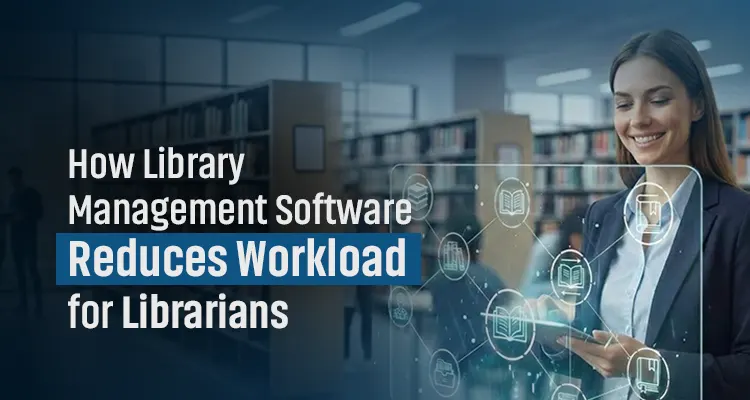
Managing thousands of books and journals manually might take the whole day. Using spreadsheets and registers to keep book records has become a primitive option for librarians. Since the chances of causing errors and losing books are high. That’s exactly where the relevance of library management software in UAE comes. Every librarian's dream of a library software where the books can be tracked within seconds.
A library management software is designed to make book issue and borrowing operations without manual headaches. Let us learn more about how library software helps librarians and how to reduce manual work in libraries.
Challenges Librarians face due to manual work
Manual library management is often slow and less effective, since one lost page from the book record is going to affect numerous books and user data. Let us take a look at how librarians suffer from manual work.
Managing large book inventories
Manual book cataloging, updating physical registers, and searching shelves for availability when new inventories arrive are time-consuming.
Circulation task
Library circulation tasks, such as manually issuing and returning books, stamping cards, and entering student details, may take a lot of time. Hence, the absence of library workflow automation will make the tracking of borrower history a burden.
Overdue Tracking and Fine Management Challenges
Without an automated library system, tracking overdue books and calculating daily late fees using paper notes might cause mistakes. Librarians have to put more effort into chasing students for overdue books, which slows down other library operations.
High workload during admission season
During admission season, hundreds of students join at the same time. Hence, the manual data entry of each student leads to misspelled names and will become an issue for the rest of the year.
Lost or misplaced book issues
Manual book collection leads to inventory mismatches and time-consuming audits. This makes book tracking difficult and increases the chance of losing books.
The implementation of an effective library management system in UAE school’s libraries can resolve all these issues and ensure that the library works without mistakes and delays caused by manual operations.
What is InfoBookz Library Management Software
The InfoBookz digital library system in UAE is a complete solution designed for libraries to automate everyday tasks such as book cataloging, issuing, returning, and fine collection for overdue books. This library automation software allows librarians, students, and faculty to take membership.
Moreover, this checks the availability of books, cataloging, circulation, reports, and borrowing and returning books. Hence, this acts as a centralized database to handle every detail of the library books to ensure smooth and effortless library management.
How Library Software Helps Librarians Reduce Daily Workload
Implementing a digital library system is not just about going paperless; it is about structuring every library operation digitally to save time and effort.
- Inventory management: The library automation software allows you to categorize books to make them easily visible and check book availability from a huge database.
- Fast book issues and return: The barcode scanner reads the barcode on the book, and within seconds, it will record the details of both the book and the user. This reduces waiting time in library counters and makes the book issue process faster and more accurate.
- Overdue tracking and notification: The library system sends reminders to the users when their book is overdue. Then it calculates the fine for overdue books and sends notifications to librarians.
- Automated report generation: Automated library reporting software generates daily, monthly, and yearly activity reports that help librarians to share data with school management about the library activity.
- Real-time search for books and records: Librarians can instantly check book availability, confirm location, and receive the data on return dates within seconds. It can track borrowing history and the last scanned data to quickly locate misplaced items.
Who Can Use Library Software in Schools
- Librarians: With this library software, librarians can easily manage cataloging and book circulation. Moreover, it also generates digital reports that assist you in monitoring library performance.
- Students: Enables students to search and reserve books online without wasting time in queues. The automated notification of the library management system reminds students about due dates and new book arrivals.
- Faculty: The faculty members can recommend books and study resources to students. In addition, teachers can track the students' reading habits as per the library records.
- Administrators: They can get clear insights into the library resources and analyze library performance using automated reports. With this information, administrators can make budget decisions with minimal manual intervention.
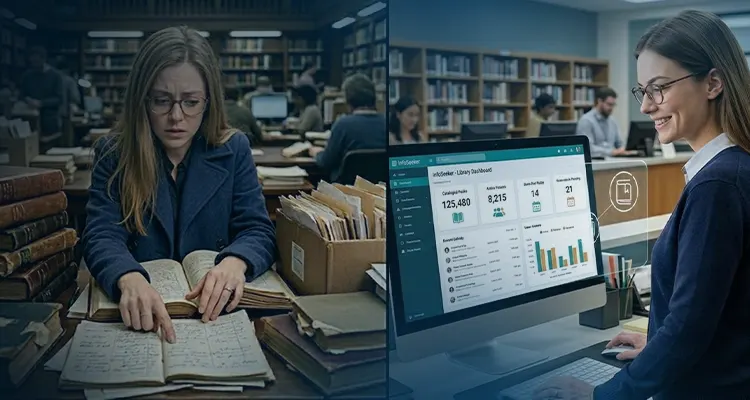
Benefits of Using Library Management Software
- Efficient Library operation: Schools and librarians can automate daily tasks like book issuance, returns, and catalog updates. Moreover, it also ensures smooth library operation and eliminates manual errors.
- Reduce unwanted expenses: Implementing an effective library system in schools can eliminate the need to appoint more staff to handle library workloads.
- Anytime, Anywhere Access: Allows students and faculty to explore the catalog at any time, which helps schools to improve resource utilization and serve users without delay.
- Accurate records: Provide correct data on inventory, borrowing activity, and book availability to give better transparency and generate reports quickly.
- Improved Staff Productivity: Automating library operations reduces staff workloads, which allows librarians to focus more on student support and academic-related work.
- Better Learning Experience for Students: The library software offers quick access to books and digital resources to registered members.
Managing every library workload manually has become a primitive method. The absence of digital library systems in UAE schools can drain your time, increase errors, and limit the quality of service that librarians provide.
In this modern era, switching from a manual library management system to digital library management software is not a trend; it is a necessity. InfoBookz is a custom library management solution that handles book issuance, borrowing, and user data. Get a quote from us today, and get the best library management solution for your school.
Frequently Asked Questions and Answers
-
How does library management software reduce librarians’ workload in schools?
Library management software can automate cataloging, book issuance, returns, and overdue tracking. This helps you to reduce manual paperwork, save time, minimize mistakes, and manage library operations more efficiently.
-
Can the library management system track lost or misplaced books?
Yes. Librarians can make use of the issuing and borrowing history of users to track missing books.
-
How does a barcode library circulation system work for schools?
Attaching unique barcodes to books allows librarians to scan the barcode while issuing or returning books within seconds. This improves the accuracy of borrow history and reduces waiting time at the library counter.
-
Can school administrators monitor library performance using library software?
Yes. School administrators can generate automated reports on resource usage, student engagement, and inventory status. This assists them in making better decisions regarding academic and financial planning for school.
-
Can library software track overdue books and fines automatically?
Yes. The library system will send automatic due-date reminders, calculate late fees, and notify librarians about overdue books. This removes the need for manual follow-ups and ensures accurate fine management.
About the Author

The CEO and Co-Founder of Infome, with over 18 years of working experience in IT infrastructure and identification solutions. He shares valuable insights regarding enterprise technology and security systems.
How to Pick the Right Library Software for Your School
Still using handwritten registers and chasing students for overdue books? That’s why choosing the right library management software for schools in UAE matters more than ever.
Read Article
What is Library Management Software?
Managing a library is a time-consuming process since it requires manual cataloging of thousands of books to track issued and returned items and keeping member records updated.
Read Article
Need the Right Solution for Your Business?
Our experts will guide you to choose the best InfoBookz Library Management Solution that fits your needs and budget.

Server for 50 Users in UAE: A Practical Guide to Choosing the Right Server
Selecting a server for 50 users in UAE needs careful thinking about the daily business requirements and business size. Employees may need to run various files, software, and applications and access data at the same time. Hence, choosing the best server for your small business in Dubai must align with your current requirements and future growth plans. For a business with 50 staff, the right server can make every day's work more organised
Read Article
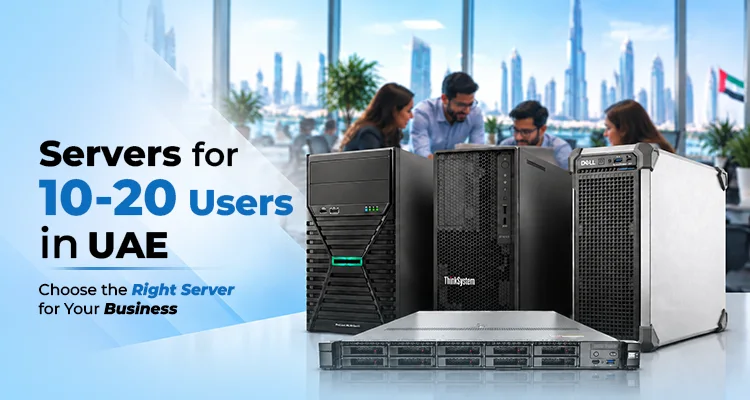
Server for 10-20 Users in UAE: Choose the Right Server for Your Business
Are you confused about which servers are best for your small business? A small team doesn't mean limited IT requirements. You must consider certain factors to choose the right servers for 10-20 users in UAE. Your employees may need to handle multiple files, business applications, databases, backups, and other systems that require a server that offers high performance. Choosing a server only based on the number of employees is not practical; the server should also match your workload, storage needs, applications, and future expansion plans. Let us see the best servers for 10-20 users for your organisation in Dubai.
Read Article
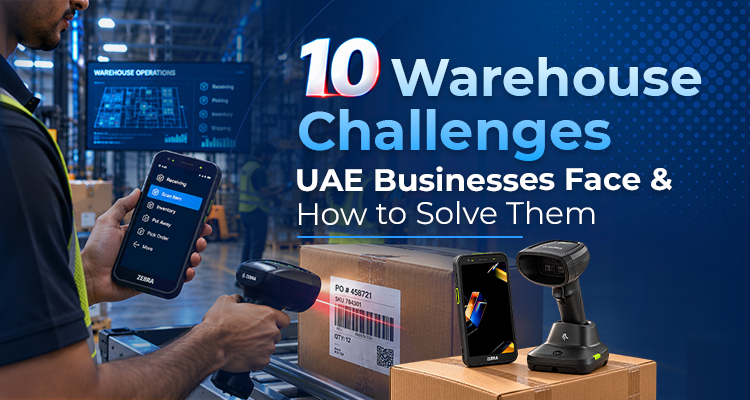
10 Warehouse Challenges UAE Businesses Face and How to Solve Them
The warehouse handles thousands of orders daily, which increases the chance of warehouse mistakes that can cost time and money. This raises the relevance of adopting warehouse solutions in UAE to make your daily operations smoother and more accurate. Warehouse solutions are technologies and tools that can manage inventory, track products, and handle the goods movement throughout warehouse operations. They are suitable for managing various warehouse challenges such as inaccurate stock records, misplaced products, slow picking, manual data entry, and shipping errors.
Read Article