
NFC vs RFID Smart Cards: Know The Difference
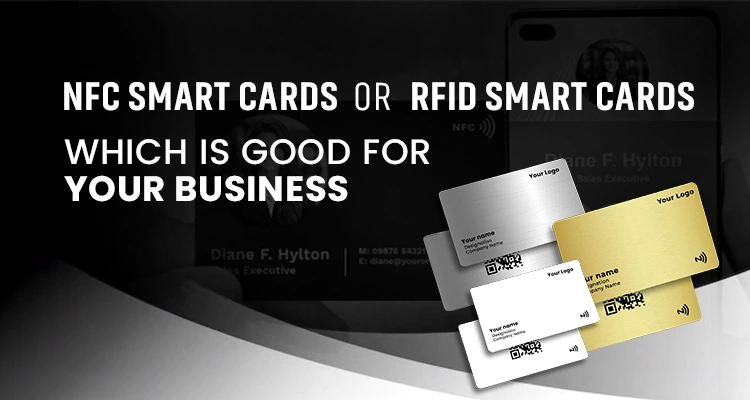
NFC and RFID smart cards are likely some form of smart cards, and they use Near Field Communication (NFC) or Radio Frequency Identification (RFID) technology. While both NFC and RFID smart cards operate wirelessly and serve similar purposes, they have key differences that make them suitable for distinct applications. Both are wireless technologies to communicate data work using radio waves, but they feature some differences in things such as frequency, communication, range, etc. NFC is a subset of RFID, but NFC has a much shorter range and is more suited to short-range communication.
In this blog, we help you understand the differences between NFC smart cards and RFID smart cards along with their applications in different industries.
- What is RFID Smart Card
- What is NFC Smart Card
- Key Difference Between NFC vs. RFID Smart Cards
- Which is Good for You
What is RFID Smart Card
RFID, or Radio Frequency Identification, is a wireless communication technology that uses radio waves to communicate data, especially for identifying and tracking objects. RFID smart cards take this technology and combine it with the data storage and processing capabilities of a traditional smart card. An RFID smart card combines the tracking and identification capabilities of Radio Frequency Identification (RFID) that enable effortless contactless data sharing.
RFID is a passive wireless technology that utilizes tags and readers to exchange information via radio waves. In an RFID smart card, the RFID tag is embedded within the card itself, allowing it to communicate its identity and other stored data to a reader. This integration enables a wide range of applications requiring both identification and secure data handling.
Examples of RFID smart cards include:
- Access control cards (e.g., employee ID badges, building access cards)
- Inventory management tags
- Supply chain tracking labels
- Animal identification microchips
- Toll collection transponders
What is NFC Smart Card
An NFC smart card is a card equipped with a Near Field Communication (NFC) chip, which is an offshoot of RFID technology. Such smart cards enable contactless data exchange with compatible devices, such as smartphones, through close proximity. This short-range communication, typically achieved by holding the card near the device, facilitates a variety of interactions. NFC smart cards are commonly used for contactless payments, offering a convenient and secure way to make transactions. They also find applications in access control systems, allowing for keyless entry or secure authentication. Furthermore, NFC smart cards can be used for transferring digital information, such as electronic business cards or website URLs, simplifying the sharing of data.
Examples of NFC smart cards include
- Contactless payment cards (credit/debit)
- Mobile ticketing cards for public transit
- Key cards for hotel rooms or building access
- Loyalty cards that offer tap-to-redeem functionality
Key Difference Between NFC vs. RFID Smart Cards
| Feature | RFID Smart Cards | NFC Smart Cards |
|---|---|---|
| Definition | Radio Frequency Identification; uses radio waves to automatically identify and track tags. | Near Field Communication; a subset of high-frequency RFID, designed for short-range communication. |
| Frequency | Various frequencies, including Low Frequency (LF), High Frequency (HF), and Ultra High Frequency (UHF). | High Frequency (HF) 13.56 MHz. |
| Communication Range | Varies significantly: from a few centimeters to many meters (depending on frequency and tag type). | Very short range: typically a few centimeters (up to approximately 10 cm). |
| Communication Type | Primarily one-way communication (reader to tag). Some more complex RFID systems allow for two-way communication. | Two-way communication; devices can both read and transmit data. |
| Typical Applications | Supply chain management, inventory tracking, access control (long-range), toll collection, animal tracking, asset management, etc. | Contactless payments, mobile wallets, data sharing between devices, access control (short-range), smart posters. |
| Data Transfer | Can read multiple tags simultaneously, suitable for bulk data collection. | Typically reads one tag at a time, optimized for secure and targeted data exchange. |
| Security | Varies; potential for skimming and security vulnerabilities, especially with longer-range RFID. | Generally considered more secure due to the very short communication range. |
| Power Source | Tags can be passive (no battery), active (with battery), or semi-passive. | Tags are typically passive, drawing power from the reader's electromagnetic field. |
| Interaction | Often automated, with less user interaction needed. | Requires close proximity and often a "tap" interaction. |
| Cost | Varies greatly depending on the type of RFID system. UHF systems tend to be more expensive. | Tend to be less expensive than many RFID systems, due to the short range and simpler infrastructure. |
Which is Good for You
NFC smart cards and RFID smart cards are used in various industries. With these technologies, industries can experience secure and efficient operations. While RFID and NFC share many similarities, choosing between them for your needs is challenging. Make sure you choose them according to your business and requirements. Here we are discussing the industries where RFID and NFC smart cards best fit for.
Who Can Use NFC Smart Cards?
- Business Professionals – Whether you run an SMB or a large enterprise, digital business cards will help you with seamless contact sharing. Digital business cards by InfoIDz are the best choice for NFC-embedded business cards.
- Retailers & Merchants – NFC-enabled debit/credit cards help secure and contactless payment transactions.
- Corporate Offices – NFC smart cards function as employee ID cards that seamlessly integrate with access control systems. Employees can simply tap their card on an NFC reader to enter restricted areas.
- Event Organizers – You are conducting an event, and you need to ensure only registered attendees enter the venue; NFC smart cards are the real game changer. NFC smart tickets enable fast, touchless entry to concerts, conferences, and other events, reducing ticket fraud as they are encrypted and unique. Attendees can tap their card or phone to verify entry, making event check-ins smoother and more efficient.
- Healthcare Providers – Patient identification and medical record access.
- Transportation Services – Commuters can use NFC-enabled transit cards to pay for buses, trains, and metro rides with a single tap. Eliminates the need for physical tickets or cash payments, making travel faster and more convenient.
- Hospitality Industry – NFC smart cards replace traditional hotel keys, allowing guests to tap to unlock their rooms securely.
Who Can Use RFID Smart Cards?
- Warehousing & Logistics Companies – RFID smart cards are used as employee ID badges for secure access to warehouses. Can be integrated with attendance systems to track shift timings. RFID smart cards streamline inventory audits by enabling quick and accurate scanning of items.
- Manufacturing & Supply Chain Businesses – Employees use RFID smart cards to access production areas, ensuring only authorized staff handle sensitive operations. RFID smart cards can store unique product information, allowing for easy verification of authenticity.
- Retail Stores & Supermarkets – RFID smart cards are issued to employees for secured access to cash counters, storage rooms, and POS systems. In retail stores and supermarkets, RFID tags and RFID labels are used for protecting merchandise, triggering alerts if items are removed from the store without proper authorization, thereby reducing theft.
- Educational Institutions – RFID smart cards act as student ID cards to monitor attendance automatically. Access to classrooms, labs, and hostels is controlled using RFID smart cards. In school libraries, RFID smart cards allow students to check out and return books efficiently, with the system automatically updating records. InfoBookz is a powerful library management system that uses RFID technology for managing library activities.
- Government & Security Agencies – RFID smart ID cards store biometric and personal data for citizen identification. RFID passports allow quick verification at immigration checkpoints, reducing wait times.
- Healthcare Facilities – Patients receive RFID-enabled wristbands containing their medical history, ensuring that healthcare providers have immediate access to accurate information, improving treatment accuracy. Staff use RFID smart cards to access sensitive areas like pharmacies or operating rooms.
- Parking & Toll Management – Vehicles equipped with RFID smart cards can pass through toll booths without stopping, as systems automatically deduct fees from the associated account, reducing congestion and travel time.
Choosing whether NFC smart cards or RFID smart cards might be challenging, but now you have the detailed knowledge of their differences. If you are looking to buy smart cards in Dubai, Infome is here to help you. We offer NFC smart cards such as Mifare cards and RFID smart cards such as standard proximity cards, HID smart cards, etc., at the best price in the UAE. For businesses in Saudi Arabia, our dedicated branch in Riyadh is the perfect destination for smart cards in KSA. If you need smart cards in bulk, we have amazing discounts and deals for you. Our team of experts will help you choose the right card that is a perfect fit for your business. Contact us today!
About the Author

The CEO and Co-Founder of Infome, with over 18 years of working experience in IT infrastructure and identification solutions. He shares valuable insights regarding enterprise technology and security systems.

How ID Cards Enhance Security and Access Control in Modern Organizations in UAE?
Workplace security is a growing concern for every industry in UAE. Businesses are more vulnerable to security threats due to unauthorized access, attendance fraud, and office security risk without a proper ID card.
Read Article

Reasons for Fast ID Card Fading: 5 Proven Ways to Make ID Cards Last Longer
Is your ID card fading faster than it should? A dull, unclear card can affect your professional image in schools and offices.
Read Article

RFID Cards for School Attendance in Sharjah: Benefits
Taking student attendance the old-fashioned way? Managing attendance manually is becoming more of a burden than a routine.
Read Article
Need the Right Solution for Your Business?
Our experts will guide you to choose the best Cards that fits your needs and budget.
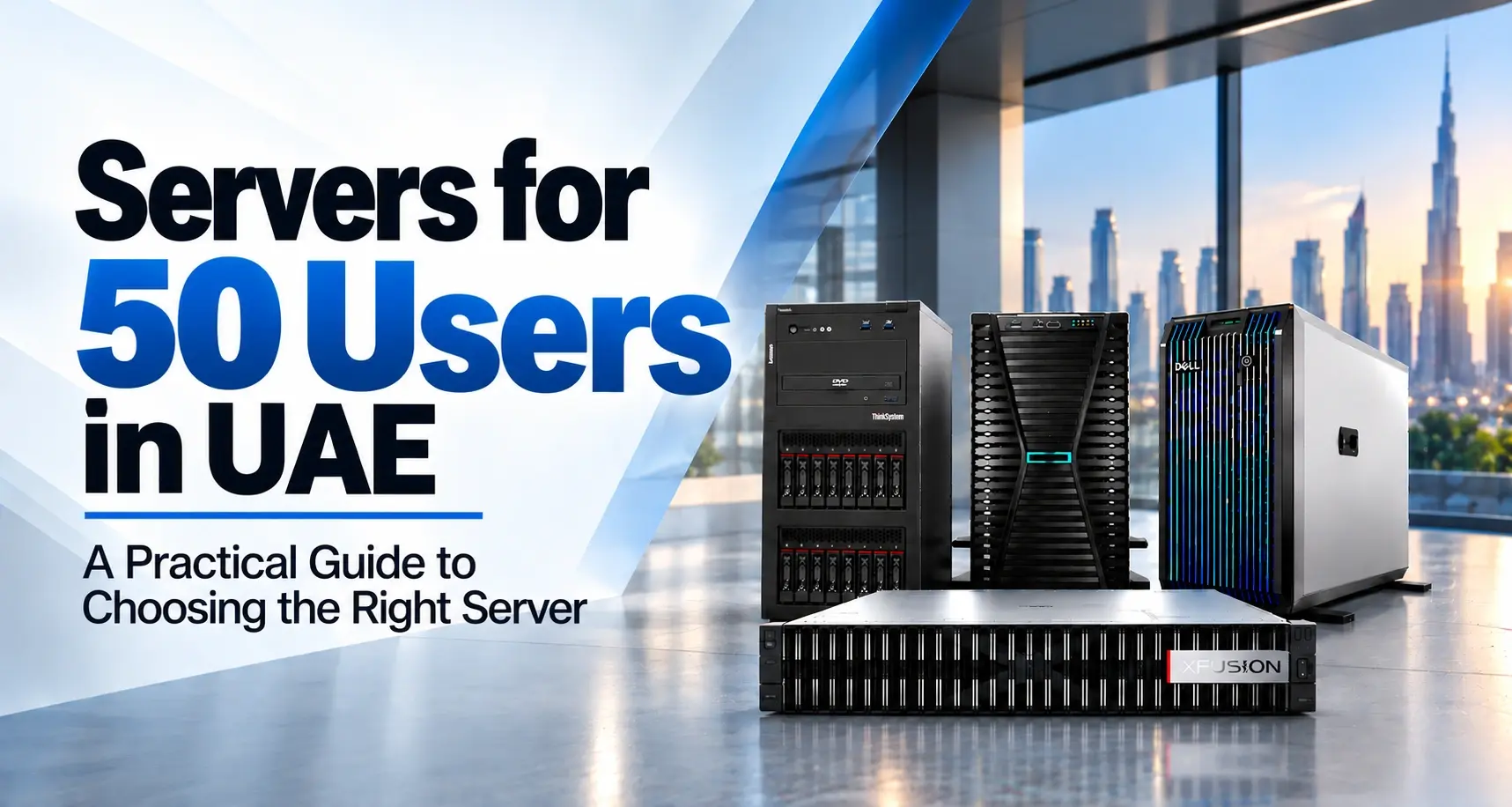
Server for 50 Users in UAE: A Practical Guide to Choosing the Right Server
Selecting a server for 50 users in UAE needs careful thinking about the daily business requirements and business size. Employees may need to run various files, software, and applications and access data at the same time. Hence, choosing the best server for your small business in Dubai must align with your current requirements and future growth plans. For a business with 50 staff, the right server can make every day's work more organised
Read Article
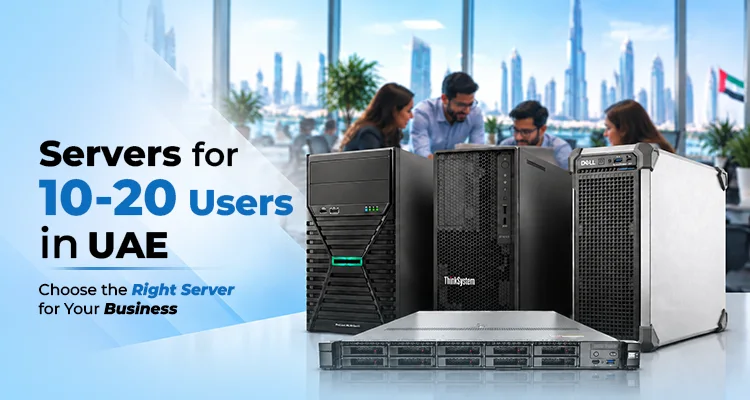
Server for 10-20 Users in UAE: Choose the Right Server for Your Business
Are you confused about which servers are best for your small business? A small team doesn't mean limited IT requirements. You must consider certain factors to choose the right servers for 10-20 users in UAE. Your employees may need to handle multiple files, business applications, databases, backups, and other systems that require a server that offers high performance. Choosing a server only based on the number of employees is not practical; the server should also match your workload, storage needs, applications, and future expansion plans. Let us see the best servers for 10-20 users for your organisation in Dubai.
Read Article
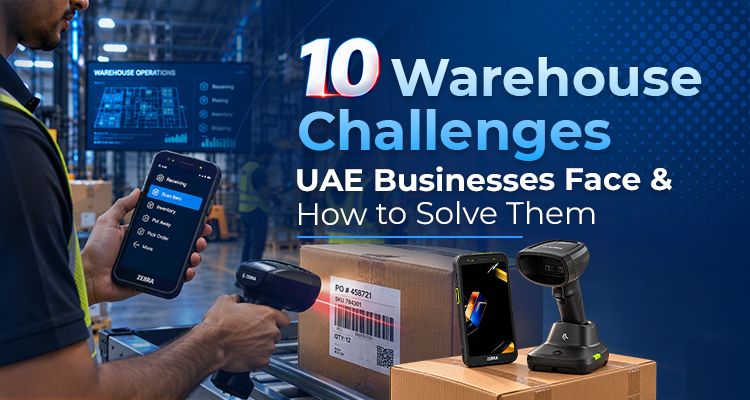
10 Warehouse Challenges UAE Businesses Face and How to Solve Them
The warehouse handles thousands of orders daily, which increases the chance of warehouse mistakes that can cost time and money. This raises the relevance of adopting warehouse solutions in UAE to make your daily operations smoother and more accurate. Warehouse solutions are technologies and tools that can manage inventory, track products, and handle the goods movement throughout warehouse operations. They are suitable for managing various warehouse challenges such as inaccurate stock records, misplaced products, slow picking, manual data entry, and shipping errors.
Read Article