
Next Generation Servers for UAE Businesses in 2026
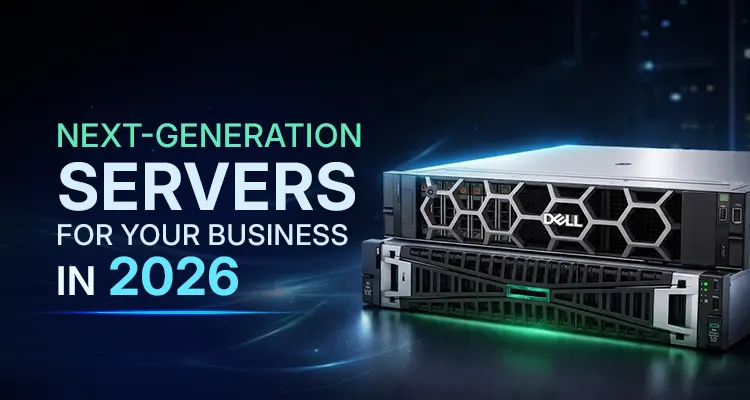
The next-generation servers can handle complicated workloads like AI, machine learning, and large amounts of data. These are energy-efficient servers that help your business in UAE to save on cooling and operational expenses. Therefore, in 2026, the servers in UAE organisation should transform from just basic tasks like managing data and running applications to a system that can handle complex modern workloads. Modern business operations require a modern server infrastructure that can deliver performance, scalability, and reliability.
Challenges of Using Traditional Servers for Modern Workloads
Many organizations in the UAE still depend on traditional servers, which often struggle to meet the demands of modern workloads. Take a look at the various challenges that UAE businesses face due to traditional servers.
- Cooling limitation: Modern AI and high computing workloads generate a massive amount of heat. The traditional servers cannot handle large amounts of heat, and they may slow down automatically to prevent overheating.
- Increasing workload complexity: Traditional servers struggle to handle modern workloads such as generative AI, real-time analytics, and automation systems that demand more processing power. Thus, the old server may slow down applications and increase response time.
- Rising energy cost and sustainability pressure: The old IT infrastructures consume large amounts of electricity and require an energy-intensive cooling system. Thus, your organization has to pay a higher electricity bill, and it may be difficult to meet sustainability or carbon reporting requirements.
- Hybrid cloud integration: They cannot integrate with modern cloud platforms and might require various management tools to connect with cloud services.
Technologies used in Next-Generation Servers
AI Accelerators and GPU computing
Integrating these technologies can easily handle workloads such as machine learning, generative AI, and advanced analytics in large enterprises in UAE.
Composable Disaggregated Infrastructure (CDI)
CDI combines CPU, memory, storage, and networking resources and shares them across multiple servers. Therefore, your business can build scalable servers that effectively use resources.
Advanced cooling technologies
In UAE, the modern IT infrastructure in 2026 uses liquid cooling, immersion cooling, and advanced thermal management systems to manage the high heat generated by modern processors.
High-Speed Interconnects
The next-gen servers use faster connectivity technologies such as PCIe 6.0, PCIe 7.0, and high-speed Ethernet for faster communication between CPUs, GPUs, storage, and networking components.
AI-Driven Infrastructure Management (AIOps)
AI-Driven Infrastructure Management (AIOps) can automatically identify abnormalities and optimise performance. This can reduce manual management and improve system reliability. The feature called “digital twin” can monitor the condition of the server and predict a failure before it happens.
Hybrid and Multi-Cloud Integration
The modern server can easily integrate with public, private, and hybrid cloud environments. Hence, your organization can easily move workloads between on-premise infrastructure and cloud platforms.
Benefits of Adopting Next-Generation Servers for Businesses in UAE
- Improved performance: The next-generation high-performance enterprise servers can manage tasks such as AI, advanced analytics, and large enterprise applications.
- Greater scalability: Modern scalable business servers help companies to easily expand their computing power, storage, and networking without replacing their entire infrastructure.
- Enhanced security: Integrate hardware-based security technologies that protect sensitive data and applications. Hence, the business can comply with the security regulations of UAE.
- High operational efficiency: These servers consist of intelligent power management, advanced cooling systems, and automated monitoring tools that help to mitigate energy consumption.
- Future-ready infrastructure: These AI-ready servers can support technologies such as AI-driven automation, edge computing, and hybrid cloud environments. Moreover, this can adopt new technologies without major upgrades and support the enterprise workloads of large organizations in UAE.
When Should Businesses Consider a Server Upgrade?
Knowing the right time to upgrade your server is essential to avoid performance issues and security risks. Here are some key signs that indicate your business may need a server upgrade:
- If the servers are old: Servers can handle workloads continuously for up to 4-5 years. After that time, the hardware components of the server, such as storage drives, cooling systems, and power units, begin to slow down their functioning.
- Performance issues: You have to replace the server if it is taking longer to process data or if it shows long response times. This indicates that the current infrastructure is struggling to handle modern workloads.
- Rise in maintenance cost: An old server may demand frequent hardware replacements, software patches, and manual troubleshooting to function properly. Therefore, you have to spend more money on the continuous operation and maintenance.
- Difficulty Supporting Virtualization or AI Workloads: The old servers lack CPU performance, memory capacity, or accelerator support to support virtualization and AI-based applications.
- Limited Scalability: Traditional servers may reach their maximum capacity quickly. Hence, businesses cannot expand their computing, storage, and networking resources when the demands increase.
The next-generation servers are designed to handle AI workloads and machine learning and assist you in managing large amounts of data. Therefore, to stay ahead in the competitive business environment of UAE, adopting modern servers is essential. Organizations that have traditional servers often have to replace servers, spend more on maintenance costs, and may struggle to handle modern workloads. For businesses in UAE, adopting next-generation server infrastructure helps them to remain competitive, adaptable, and ready for the future of enterprise computing.
Infome is the trusted supplier of top-brand servers in UAE, Middle East, and Africa. We are dedicated to supporting our customers with maintenance support, setup, and recommendations to provide the right server solution for their business. Our branch in Bur Dubai is always ready to guide you whenever you need us. Get a quote today.
Frequently Asked Questions and Answers
-
How do AI-ready enterprise servers support long-term business innovation?
The AI-ready servers support workloads such as AI automation, virtualization, and edge computing. Therefore, investing in these servers supports long-term innovation and digital transformation.
-
Will scalable business servers support the future growth of the business?
Yes. Adopting scalable servers helps your business expand computing power, storage, and networking when the workload increases. Hence, the business does not have to replace the entire infrastructure.
-
Can modern enterprise servers integrate with hybrid cloud environments?
Yes. Most modern server infrastructure supports hybrid and multi-cloud environments. Thus, businesses can easily move workloads between on-premise servers and cloud platforms to improve flexibility.
-
How do modern enterprise IT infrastructure servers reduce operational costs?
These servers use energy-efficient processors, intelligent power management, and advanced cooling technologies. These features can reduce electricity consumption and minimize cooling requirements, which mitigates long-term operational costs for organisations.
-
How do next-generation servers reduce downtime?
The modern servers include digital twin and intelligent monitoring systems that identify potential issues and prevent unexpected system failures.
About the Author

The CEO and Co-Founder of Infome, with over 18 years of working experience in IT infrastructure and identification solutions. He shares valuable insights regarding enterprise technology and security systems.
Recommended Products for You
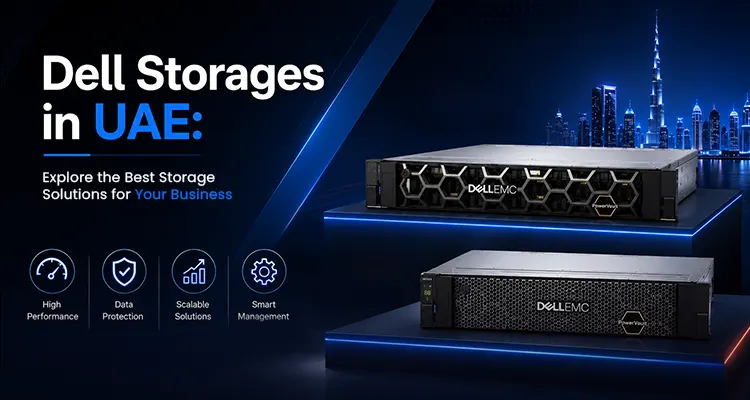
Dell Storages in UAE: Explore the Best Storage Solutions for Your Business
Dell storage is a hardware solution developed by Dell Technologies that helps you store, manage, and protect small to large organizational data.The Dell storage family includes PowerVault for small and medium-sized businesses and PowerStore for all-flash block and file storage. For highly demanding and critical workloads, PowerMax is a better option, and you can manage AI and data-intensive applications with Dell PowerScale storage. Dell PowerFlex is for shared block storage networks, Dell ObjectScale can handle advanced AI-related tasks, and PowerProtect is for data backup and recovery
Read Article
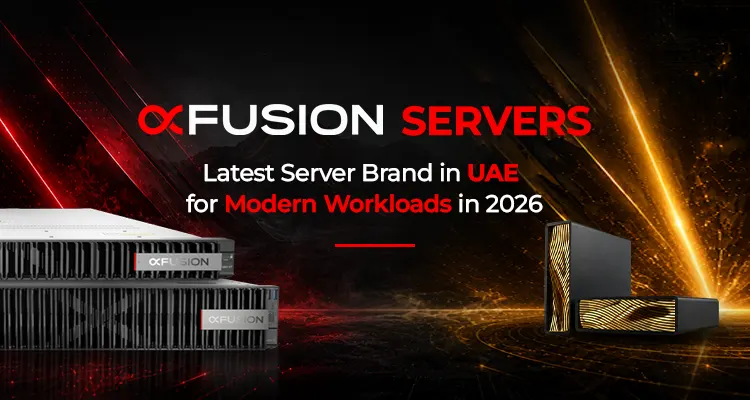
New Server Brand in UAE: Why Businesses Are Switching to xFusion Over HPE, Dell & Lenovo?
As organizations shift towards AI, cloud computing, virtualization, and data-intensive applications, industries are adopting new server brands in UAE to transform their operations.
Read Article
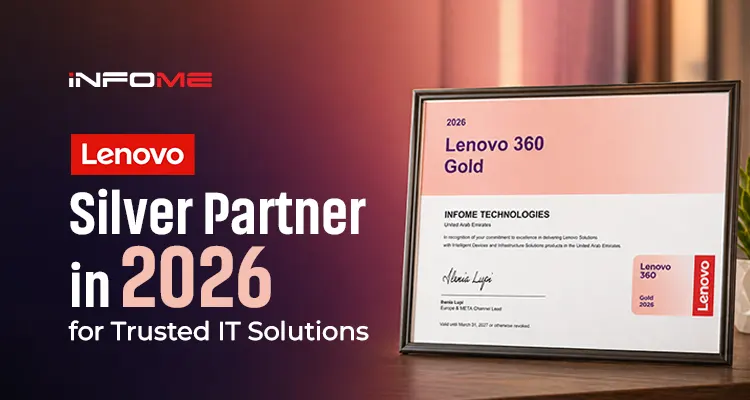
Infome: Lenovo Silver Partner 2026 - Trusted Lenovo Servers in UAE
Lenovo stands out as one of the world's leading IT infrastructure brands in UAE. To experience the innovations of Lenovo, you have to connect with a trusted Lenovo partner. Infome Technologies has been officially recognized as a Lenovo silver partner in 2026. This recognition is a symbol of our dedicated service in providing industry?best Lenovo servers in UAE to customers with technical support
Read Article
Need the Right Solution for Your Business?
Our experts will guide you to choose the best Servers & Storages that fits your needs and budget.
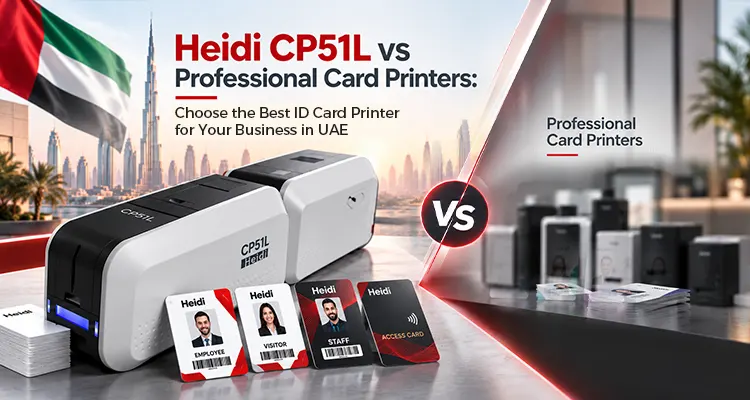
Heidi CP51L vs Professional Card Printers: Choose the Best ID Card Printer for Your Business in UAE
Businesses that issue employee, student, visitor, or access-control cards need more than good-looking prints. Card durability, lamination, security, encoding, printing speed, and long-term usability can all affect the right printer choice. The Heidi CP51L ID card printer combines card printing and integrated lamination, but how does it compare with other professional card printers?
Read Article
Dell Storages in UAE: Explore the Best Storage Solutions for Your Business
Dell storage is a hardware solution developed by Dell Technologies that helps you store, manage, and protect small to large organizational data.The Dell storage family includes PowerVault for small and medium-sized businesses and PowerStore for all-flash block and file storage. For highly demanding and critical workloads, PowerMax is a better option, and you can manage AI and data-intensive applications with Dell PowerScale storage. Dell PowerFlex is for shared block storage networks, Dell ObjectScale can handle advanced AI-related tasks, and PowerProtect is for data backup and recovery
Read Article

Honeywell to Brady: A New Chapter for Productivity Solutions in UAE
As part of a recent business transition, Brady Corporation has completed the acquisition of Honeywell’s Productivity Solutions and Services (PSS) business. Following the acquisition, the Honeywell PSS business will now operate as Brady Intelligent Productivity Solutions (IPS). Brady Corporation completed its acquisition of Honeywell's Productivity Solutions and Services (PSS) business on August 3, 2026, after initially announcing the agreement on April 20, 2026.
Read Article