
How to Stop Losing IT Assets? A Guide to Asset Tracking for UAE Companies
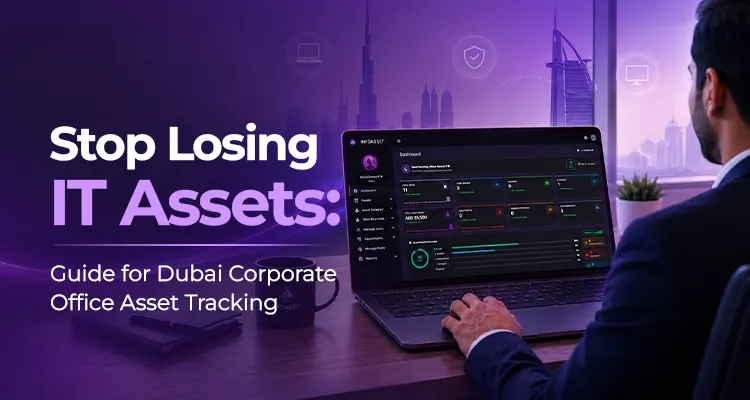
Companies in UAE face IT asset loss, which directly affects their productivity and leads to unnecessary operational expenses. The absence of an effective system makes IT asset tracking in UAE a challenge that puts both the company and employees at risk. This is why companies in Dubai and Abu Dhabi are prioritising a system for complete visibility over each asset in the company.
Let us explore the common reasons for IT asset loss and how the adoption of an efficient asset tracking system switches asset safety from risk mode to a highly safe mode.
What is IT Asset Tracking?
IT asset tracking is the process of monitoring, locating, and managing a company’s resources, such as hardware, software, and any type of assets. It helps you get accurate visibility into the asset’s usage, lifetime, user details, and where it is. Tracking the assets regularly helps you to get an idea of where the assets are and prevent unnecessary replacement costs.
Why Dubai Companies Lose IT Assets
Inaccurate asset keeping and the lack of a responsible tracking system will cause serious risks that will negatively affect the company's financial state and resource utilization. Here, let us look at the various reasons why corporate IT assets go missing from UAE companies.
Manual data entry
Employees might unintentionally cause mistakes while using an Excel sheet or paper records to enter the asset and user details. A few details might go unrecorded, or incorrect details might be entered. These small human errors will cause issues in asset records, and companies will struggle to locate who has what.
Confusing records of asset data
Finance, HR, and IT teams may use different records for entering asset data, which leads to confusion among team members. This causes repeated asset details entry, outdated information, and incorrect records.
Lack of asset identification and tagging
Assets without proper labels or barcodes and asset tagging are difficult to track. This causes difficulty in tracking the accurate asset details without checking the Excel sheet or asking staff.
Lack of clarity during employee onboarding
The lack of proper documentation of device allocation during employee onboarding can cause confusion among staff and the company. Without proper tracking, the IT asset might go missing after the employee's exit process.
Poor asset lifecycle management
Without an asset tracking system, companies may struggle to track warranty information, maintenance records, and user assignments. Hence, it will be difficult to have a complete history of the asset from procurement to disposal.
Importance of Adopting an Asset Management Software in Dubai Companies
As businesses expand, the number of laptops, desktops, servers, and other IT assets increases in a company. Using manual book records and entering data into an Excel sheet is no longer effective. This raises the importance of adopting asset management software that aligns with modern organizational needs. Missing assets lead to unnecessary replacement costs, and poor tracking will cause security risks. Therefore, adopting efficient asset management software like InfoAsset will ensure that you receive complete visibility over every company asset.
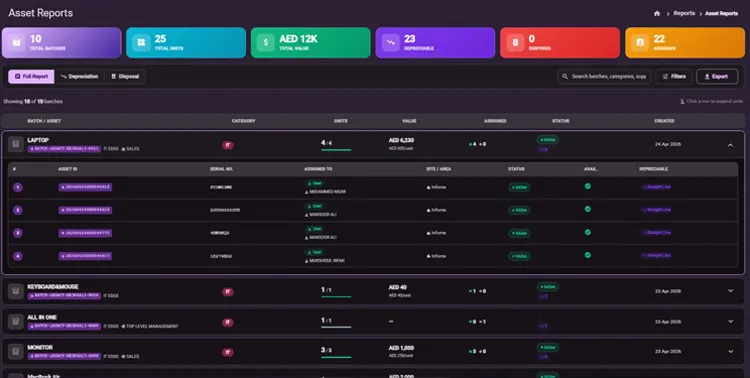
InfoAsset is a cloud-based asset management solution that allows you to update asset-related information like its name, user details, date, price, and warranty records. This helps you to track everything from procurement, allocation, maintenance, transfer, and disposal.
Traditional vs Modern Asset Tracking System
| Traditional Asset Tracking | Asset Management Software Solution |
|---|---|
| Asset data across multiple spreadsheets and documents | All asset data in a single dashboard for complete visibility |
| Poor tracking of asset history | Stores complete lifecycle history, including procurement, maintenance, transfers, and disposal. |
| Manual mistakes while entering asset details | Updates accurate asset records without delays |
| Difficulty in tracking physical assets | Supports barcode and QR code asset tagging for fast identification and tracking. |
| Warranty and maintenance details are avoided | Accurately store warranty and maintenance details of IT assets |
| Wasting hours to track IT equipment | Instantly track assets from a centralised location. |
Traditional asset tracking focuses on creating a record using spreadsheets or book logs, which often causes mistakes and lost asset details. However, asset management software is a modern approach that provides a clear record of who has what asset without mistakes. This allows the companies in Dubai to move from "where is the asset?” to "we know exactly where every asset is.”
Organisations that adopted a modern asset management system noticed a 40% increase in asset utilisation rate and 90% faster audit preparation and completion.
Benefits of Using IT Asset Management Software in UAE Businesses
Whether you manage laptops, servers, barcode scanners, mobile computers, or other business assets, asset management software helps you track their location, monitor their status, and identify who is currently using them. Let us see the advantages of using an asset management solution for your business.
- Complete Visibility of Every Asset: The centralized platform of asset management software allows you to view and manage assets without checking the book records and searching different spreadsheets. You can easily check where they are located and who is currently using them.
- Prevent Asset Loss and Misplacement: Helps you to track every stage of an asset from procurement to disposal. This reduces the risk of missing IT assets and provides a proper record of assets and users.
- Centralized Asset Lifecycle Management: Businesses can maintain a complete record of allocation, maintenance activities, transfers, warranty details, and depreciation cost calculation.
- Improve Resource Utilization: You can locate the existing IT equipment using the asset tracking system. This prevents unnecessary purchases and makes sure that the existing resources are utilized, and they do not get damaged without being used. Accurate asset identification: Employees can simply scan a unique QR code or barcode to instantly access accurate asset information and retrieve asset details faster.
-
How can companies prevent IT asset loss?
Companies can adopt an asset management system instead of spreadsheets to prevent IT asset loss. The asset tracking system consists of centralized asset records and generates QR and barcode labels to accurately track the IT equipment without mistakes.
-
What are the issues of using an Excel sheet or IT asset tracking?
Excel relies on manual updates to asset details, which may cause human error while entering details. It will be easy to duplicate records and enter outdated information, which increases the chance of missing assets, failed audits, and unnecessary equipment purchases.
-
How can I track company assets across multiple office locations?
Adopting a centralized asset management software allows you to track assets across multiple offices from a single dashboard. This helps the IT team to monitor asset location, user details, and asset history without maintaining separate records for each branch.
-
Why do companies lose laptops during employee exit processes?
Companies that still rely on manual records or outdated spreadsheets struggle to track which assets are assigned to which employees. If the data is lost, it will be difficult to track the employee who left the company without returning the laptop.
-
How can I improve IT asset tracking in my company?
You can adopt a centralized asset management software that allows you to record every asset detail and track every stage of an asset from procurement to disposal.
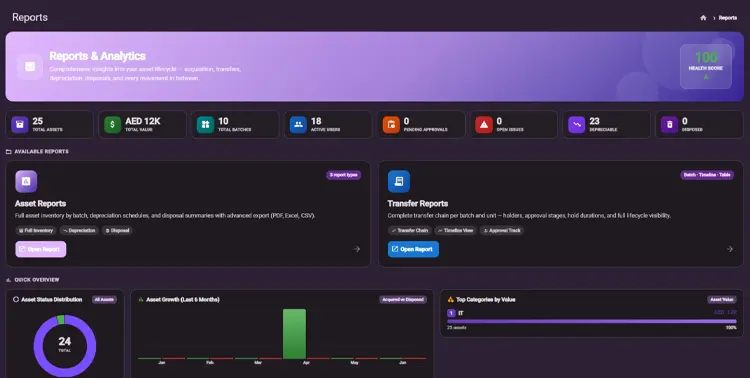
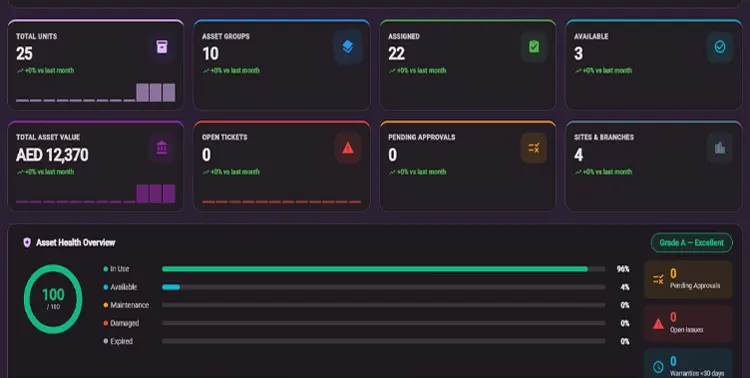
Are you still spending hours searching for assets or depending on spreadsheets and book logs for storing asset details? If yes, it’s time to adopt a smart asset management system that gives you complete visibility of asset details. Every untracked IT asset, misplaced device, or outdated asset record increases the risk of financial loss and security concerns. With InfoAsset, you can create an accurate asset tracking environment without confusion.
Stop managing assets in a primitive and inefficient way. Start managing them with confidence and make sure that your IT assets are safe and are within your reach. Contact InfoAsset for a smarter asset tracking solution and connect with Infome Technologies to get the industry-best IT equipment at a reasonable price range.
Frequently Asked Questions and Answers
Top 5 Asset Management Mistakes Businesses Make and How to Avoid Them
We at InfoAsset asset management solutions have worked closely with many organisations to help them manage their assets.
Read Article
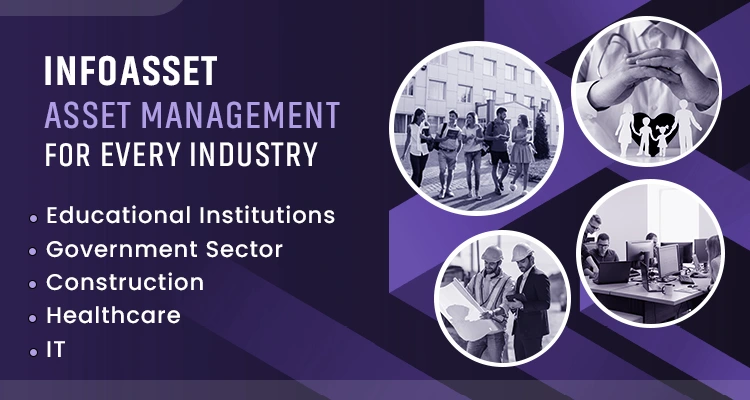
5 Industries that Need Perfect Asset Management Solution
Do you know what the current status of your asset is? Where are they? What condition are they on? Who is using them? If you are unable to find a clear answer for these questions, you may have to face a big loss. Tracking assets can help you reduce the loss of assets.
Read Article
Need the Right Solution for Your Business?
Our experts will guide you to choose the best InfoAssets Asset Management Solution that fits your needs and budget.
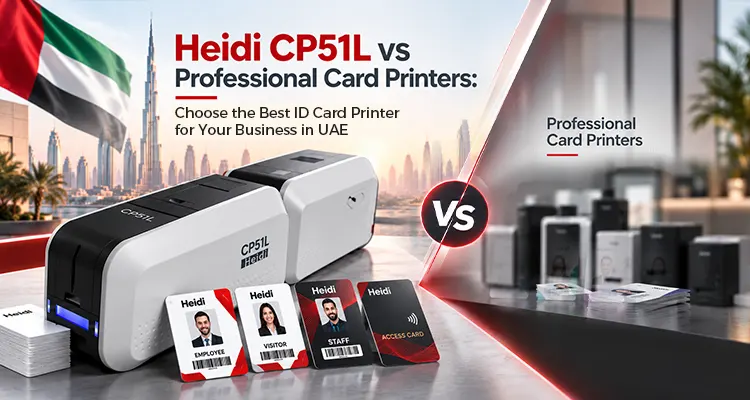
Heidi CP51L vs Professional Card Printers: Choose the Best ID Card Printer for Your Business in UAE
Businesses that issue employee, student, visitor, or access-control cards need more than good-looking prints. Card durability, lamination, security, encoding, printing speed, and long-term usability can all affect the right printer choice. The Heidi CP51L ID card printer combines card printing and integrated lamination, but how does it compare with other professional card printers?
Read Article
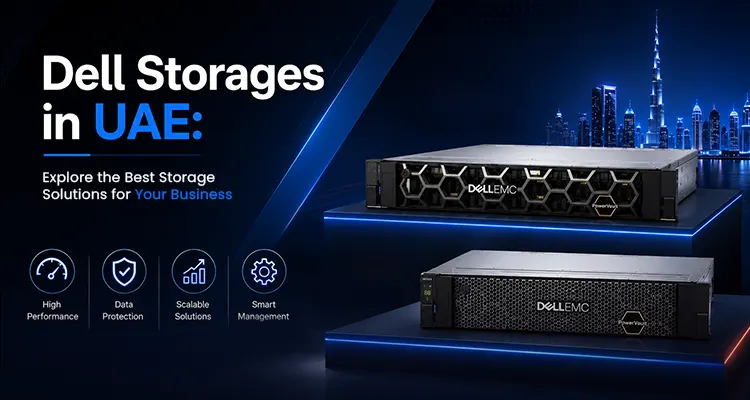
Dell Storages in UAE: Explore the Best Storage Solutions for Your Business
Dell storage is a hardware solution developed by Dell Technologies that helps you store, manage, and protect small to large organizational data.The Dell storage family includes PowerVault for small and medium-sized businesses and PowerStore for all-flash block and file storage. For highly demanding and critical workloads, PowerMax is a better option, and you can manage AI and data-intensive applications with Dell PowerScale storage. Dell PowerFlex is for shared block storage networks, Dell ObjectScale can handle advanced AI-related tasks, and PowerProtect is for data backup and recovery
Read Article
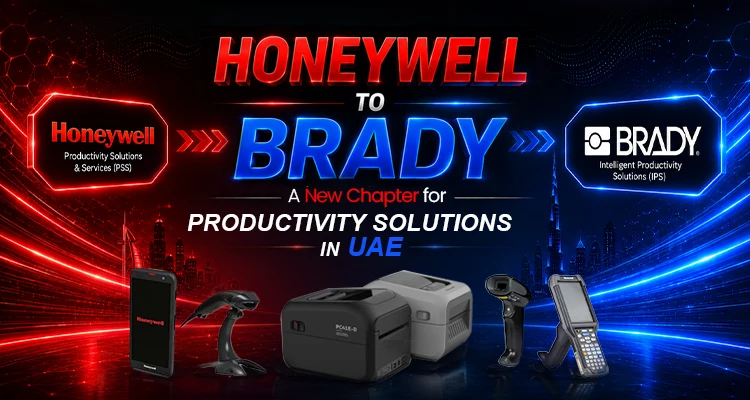
Honeywell to Brady: A New Chapter for Productivity Solutions in UAE
As part of a recent business transition, Brady Corporation has completed the acquisition of Honeywell’s Productivity Solutions and Services (PSS) business. Following the acquisition, the Honeywell PSS business will now operate as Brady Intelligent Productivity Solutions (IPS). Brady Corporation completed its acquisition of Honeywell's Productivity Solutions and Services (PSS) business on August 3, 2026, after initially announcing the agreement on April 20, 2026.
Read Article